Attic Fan CFM Calculator
Find the right attic fan capacity (CFM) for your home by entering your attic details below.
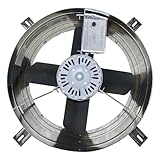
List of the Best Attic Fan:


Understanding Attic Fan CFM Sizing
Attic ventilation is one of the most overlooked aspects of home energy efficiency. During summer, an unventilated attic can reach 140°F or higher, baking the roof deck, shortening shingle life, and radiating heat down into your living space. In winter, poor attic ventilation traps moisture that condenses on cold roof surfaces, leading to mold, mildew, and rotting roof sheathing. An attic fan—whether solar-powered, electric, or integrated into a whole-house system—helps solve both problems by actively moving air through the attic space.
The key measurement for any attic fan is CFM—cubic feet per minute. Choosing the correct CFM ensures the fan moves enough air to keep the attic close to outdoor temperatures without creating problems like excessive negative pressure, backdrafting of combustion appliances, or pulling conditioned air out of the house. This guide explains how attic fan CFM is calculated, what factors influence the ideal capacity, and how to balance fan power with intake and exhaust venting.
Why Attic Fan CFM Matters
An attic fan that is too small will run constantly without lowering attic temperatures significantly. The attic remains hot, and the fan wastes energy. An attic fan that is too large can create excessive negative pressure in the attic, which can pull conditioned air from the living space through ceiling gaps, draw in outside air through every crack, and even backdraft gas water heaters or furnaces. In extreme cases, an oversized fan can depressurize the attic enough to cause the roof deck to pull inward or damage attic insulation.
The correct CFM depends primarily on the attic's volume and the number of air changes per hour (ACH) you want to achieve. For attic ventilation, the industry-standard target is 6 to 10 air changes per hour, with 8 ACH being the most common recommendation. In very hot climates, 10 ACH or higher may be appropriate to keep the attic close to outdoor temperature during peak sun. In cooler or heating-dominated climates, the goal shifts to moisture control rather than heat removal, and a lower ACH may suffice.
Key Sizing Factors
Attic Volume
- Floor area × average height = cubic feet
- Sloped roofs reduce usable volume
- Measure average height, not peak
- Large attics need proportionally more CFM
Air Changes Per Hour
- 6 ACH: minimum for moisture control
- 8 ACH: standard recommendation
- 10 ACH: hot climates, aggressive cooling
- Higher ACH requires more intake venting
Climate & Sun Exposure
- Hot climates need more attic ventilation
- Dark roofs absorb more heat
- West- and south-facing roofs run hotter
- Cold climates focus on moisture removal
Venting & Intake
- Intake vents (soffit) must balance exhaust
- Rule of thumb: 1 sq ft net free area per 150 CFM
- Insufficient intake chokes the fan
- Powered fans need adequate vent area
Attic Fan CFM Sizing Guidelines
| Attic Area (sq ft) | Avg Height 4 ft | Avg Height 5 ft | Avg Height 6 ft | Hot Climate (10 ACH) |
|---|---|---|---|---|
| 500 | 1,330 CFM | 1,670 CFM | 2,000 CFM | 1,670 CFM |
| 750 | 2,000 CFM | 2,500 CFM | 3,000 CFM | 2,500 CFM |
| 1,000 | 2,670 CFM | 3,330 CFM | 4,000 CFM | 3,330 CFM |
| 1,500 | 4,000 CFM | 5,000 CFM | 6,000 CFM | 5,000 CFM |
| 2,000 | 5,330 CFM | 6,670 CFM | 8,000 CFM | 6,670 CFM |
| 3,000 | 8,000 CFM | 10,000 CFM | 12,000 CFM | 10,000 CFM |
Adjustment Factors
Climate Zone
- Mild / coastal: 6 ACH may suffice
- Moderate: 8 ACH recommended
- Hot: 10 ACH for effective cooling
- Very hot: 12 ACH or more
Insulation Level
- Excellent: less heat transfer, lower CFM
- Good: standard calculation applies
- Average: add 10% for heat gain
- Poor: add 20% or more
Roof Pitch
- Low pitch: less volume, less CFM needed
- Medium pitch: standard calculation
- High pitch: more volume, add 10%
- Steep pitch: add 15–20% for volume
Attic Condition
- Clean: no adjustment
- Cluttered: add 10% for airflow obstruction
- HVAC equipment: add 15% for heat gain
- Finished / conditioned: special design needed
Attic Ventilation: Intake and Exhaust Balance
An attic fan is only as effective as the ventilation system around it. Every powered attic fan needs two things: an exhaust path for the hot air it pushes out, and an intake path for fresh air to replace it. If either is inadequate, the fan will underperform, draw excessive power, and may create pressure imbalances that cause more harm than good.
The industry rule of thumb for powered attic ventilation is a 1:1 ratio of intake to exhaust, with a total net free vent area of roughly 1 square foot for every 150 CFM of fan capacity. For example, a 1,500 CFM attic fan needs about 10 square feet of net free vent area total, split roughly evenly between intake (soffit) and exhaust (ridge or gable) vents. If your attic has only gable vents and no soffit vents, the fan will struggle to pull in fresh air, and its effective CFM may drop by 30% or more.
It is also important to remember that powered attic fans can create negative pressure inside the attic, which can pull conditioned air from the living space through recessed lights, attic hatches, and other penetrations. This is why many energy experts recommend passive ventilation (soffit + ridge vents) as the first line of defense, with powered fans reserved for attics that cannot achieve adequate passive ventilation or for very hot climates where active cooling is justified.
Attic Fan Features to Consider
Solar vs. Electric
- Solar: zero operating cost, no wiring
- Solar: runs only when sun is shining
- Electric: consistent power, runs day or night
- Electric: requires wiring and thermostat
Thermostat & Humidistat
- Thermostat turns fan on at set temperature
- Humidistat controls winter moisture
- Adjustable settings save energy
- Combined controls are common
Mount Location
- Roof-mounted: high exhaust point
- Gable-mounted: easy access for service
- Whole-house: integrated with living space
- Location affects airflow and noise
Noise & Efficiency
- DC motors: quieter, more efficient
- AC motors: affordable, reliable
- Larger fans on low speed are quieter
- Look for high CFM per watt ratings
Installation Tips
Optimal Placement
- Mount high on the roof or gable for best exhaust
- Keep the fan away from attic insulation
- Ensure soffit vents are not blocked by insulation
- Install baffles to keep insulation away from intake vents
Safety & Code
- Verify adequate intake vent area before installing
- Use a thermostat to prevent continuous operation
- Ensure the fan does not backdraft combustion appliances
- Follow local electrical codes for wiring
Frequently Asked Questions
How many CFM do I need for my attic fan?
The general formula is:
- CFM = (attic floor area × average height × ACH) ÷ 60
- For 8 ACH (standard): CFM = volume × 8 ÷ 60
- Example: 1,000 sq ft × 4 ft = 4,000 cu ft
- CFM = 4,000 × 8 ÷ 60 = 533 CFM
- Round up to the nearest available fan size
Can an attic fan be too powerful?
Yes. An oversized attic fan can:
- Create negative pressure that pulls conditioned air from the home
- Backdraft gas appliances (water heaters, furnaces)
- Draw in outside air through every crack
- Waste energy and cause uneven cooling
Do attic fans really save money?
Attic fans can reduce cooling costs by lowering attic temperatures and reducing heat gain through the ceiling. However, savings depend on climate, insulation, and existing ventilation. In hot climates with poor insulation, savings can be significant. In mild climates or well-insulated homes, the energy used by the fan may offset the savings. Passive ventilation is often the most cost-effective first step.
How much intake vent area does an attic fan need?
The rule of thumb is 1 square foot of net free vent area for every 150 CFM of fan capacity, split roughly evenly between intake and exhaust. A 1,500 CFM fan needs about 10 square feet total, or 5 square feet of intake and 5 square feet of exhaust. If intake is insufficient, the fan's effective CFM drops significantly.
Should I use a solar or electric attic fan?
Solar attic fans are ideal for hot, sunny climates where the fan runs when the sun is shining—exactly when attic heat is greatest. They have zero operating cost and require no wiring. Electric attic fans are better for climates with cloudy summers or where moisture control is needed year-round, since they can run at night or in winter. Electric fans cost more to operate but provide consistent performance.
Can an attic fan cause mold or moisture problems?
An attic fan can actually help prevent mold by removing moist air that would otherwise condense on cold roof surfaces. However, if the fan creates negative pressure and pulls moist air from the living space into the attic, it can worsen moisture problems. Proper intake venting and a humidistat control help prevent this.
Maintenance Requirements
Regular Tasks
- Clean fan blades and housing seasonally
- Check thermostat and humidistat settings
- Inspect wiring and connections
- Listen for unusual noises or vibration
Seasonal Care
- Clear soffit vents of insulation and debris
- Inspect roof vents for obstructions
- Check for rust or corrosion on the fan
- Test the fan before peak cooling season
Energy Efficiency Tips
- Seal attic hatches and recessed lights to prevent air leaks
- Ensure soffit vents are clear and unobstructed
- Use a thermostat to run the fan only when needed
- Consider passive ridge and soffit vents first
- Add insulation to reduce heat gain through the ceiling
- Choose a solar fan in sunny climates for zero operating cost