HVAC Load Calculator
Perform a Manual J calculation to determine the proper heating and cooling capacity needed for your home.
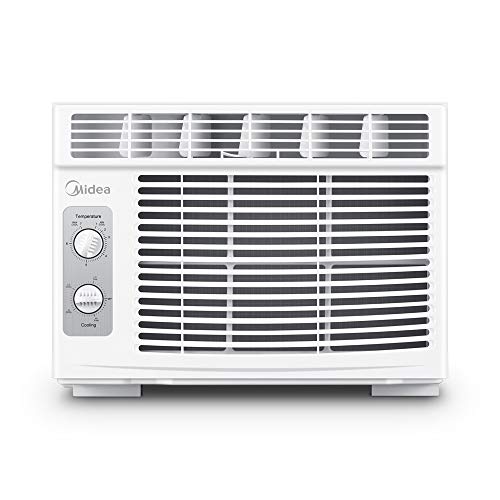
List of the Top 10 Best AC:


Understanding HVAC Load Calculations
Proper HVAC sizing requires accurate load calculations to determine how much heating and cooling capacity your home needs. Oversized systems waste energy and don't properly dehumidify, while undersized systems can't maintain comfort during extreme weather.
Key Concepts in Load Calculation
Manual J Calculation
The industry standard method for residential load calculations developed by ACCA (Air Conditioning Contractors of America). It considers all heat gain/loss factors to determine precise equipment sizing needs.
Sensible Heat Gain/Loss
The heat that causes temperature change in a space. Measured in BTUs per hour, it's the primary factor in determining HVAC system capacity requirements.
Latent Heat Gain
Heat associated with moisture in the air (humidity). Proper HVAC sizing must account for both sensible and latent heat to ensure comfort and proper dehumidification.
Design Conditions
The outdoor temperature extremes (summer and winter) used for calculations, typically the 99% and 1% design temperatures from ASHRAE data for your location.
Factors Affecting HVAC Load
Building Envelope
- Wall construction and insulation
- Roof/attic insulation
- Window types and area
- Air leakage rate
- Foundation type
Climate Factors
- Summer design temperature
- Winter design temperature
- Solar radiation levels
- Humidity levels
- Prevailing winds
Internal Loads
- Number of occupants
- Lighting and appliances
- Hot water usage
- Cooking equipment
- Electronics and computers
Ventilation Needs
- Natural infiltration rate
- Mechanical ventilation
- Local exhaust fans
- Whole-house ventilation
- Air changes per hour
Typical Cooling Loads by Climate Zone
| Climate Zone | Cooling BTU/sq ft | Design Temp (°F) | Humidity Level |
|---|---|---|---|
| 1 - Very Hot | 30-40 | 92-95°F | High |
| 2 - Hot | 25-35 | 90-93°F | Moderate-High |
| 3 - Warm | 20-30 | 88-91°F | Moderate |
| 4 - Mixed | 15-25 | 85-88°F | Variable |
| 5 - Cool | 10-20 | 82-85°F | Low-Moderate |
| 6 - Cold | 5-15 | 78-82°F | Low |
| 7 - Very Cold | 0-10 | 75-78°F | Very Low |
Typical Heating Loads by Climate Zone
| Climate Zone | Heating BTU/sq ft | Design Temp (°F) | Heating Degree Days |
|---|---|---|---|
| 1 - Very Hot | 5-15 | 45-50°F | 0-1000 |
| 2 - Hot | 10-20 | 35-45°F | 1000-2000 |
| 3 - Warm | 15-25 | 25-35°F | 2000-3000 |
| 4 - Mixed | 20-30 | 15-25°F | 3000-4000 |
| 5 - Cool | 25-35 | 5-15°F | 4000-5000 |
| 6 - Cold | 30-40 | -5-5°F | 5000-7000 |
| 7 - Very Cold | 35-45 | -15- -5°F | 7000+ |
Load Calculation Methods
Manual J (Detailed)
The industry standard method that considers all heat transfer mechanisms:
- Conduction through surfaces
- Solar radiation through windows
- Air infiltration
- Internal heat gains
- Ventilation requirements
Rule of Thumb
Simplified methods that provide rough estimates:
- BTU per square foot
- Volume-based calculations
- Climate zone multipliers
- Quick sizing charts
Software Tools
Computerized load calculation programs:
- Wrightsoft Right-J
- Elite Software RHVAC
- HVAC-Calc
- EnergyPlus
Frequently Asked Questions About HVAC Load Calculations
General Calculation Questions
Why is proper HVAC sizing important?
Correct sizing affects:
- Energy efficiency and operating costs
- Equipment lifespan
- Indoor comfort and humidity control
- System reliability
- Initial installation cost
What's the difference between Manual J and Manual S?
Key differences:
- Manual J calculates the load (what the house needs)
- Manual S selects equipment (what the system provides)
- Manual J determines capacity requirements
- Manual S ensures equipment matches those requirements
Technical Questions
How does insulation affect HVAC load?
Insulation impacts:
- Heat transfer through walls and ceilings
- Required system capacity
- Energy consumption
- Temperature stability
- Duct efficiency
What are design temperatures?
Design temperatures represent:
- Summer: Temperature exceeded only 1% of hours
- Winter: Temperature exceeded 99% of hours
- Based on 30-year weather data
- Vary by location
- Published in ASHRAE Handbook
Application Questions
Should I add capacity for future expansion?
Generally not recommended because:
- Oversizing reduces efficiency
- Short cycling increases wear
- Poor humidity control in cooling
- Better to right-size now and adjust later
How often should load calculations be updated?
Recalculate when:
- Adding or removing space
- Changing insulation or windows
- Replacing HVAC equipment
- Changing occupancy patterns
- Every 10-15 years for accuracy